
Seattle · Black Catholic & Gospel-Jazz Heritage

A sacred score,
nearly lost to time.

For years, The Gospel Magnificat — Kent Stevenson's gospel-jazz setting of Mary's song, composed as a companion to Bach's own Magnificat — has lived only in memory and as a scattered, incomplete score. This project engraves a permanent, publishable score so choirs everywhere can finally sing it.

Hear “My Soul Doth Magnify the Lord” from the 2025 performance
12
Movements to engrave
$1.60
Matched per grant dollar
3
Stage editorial review
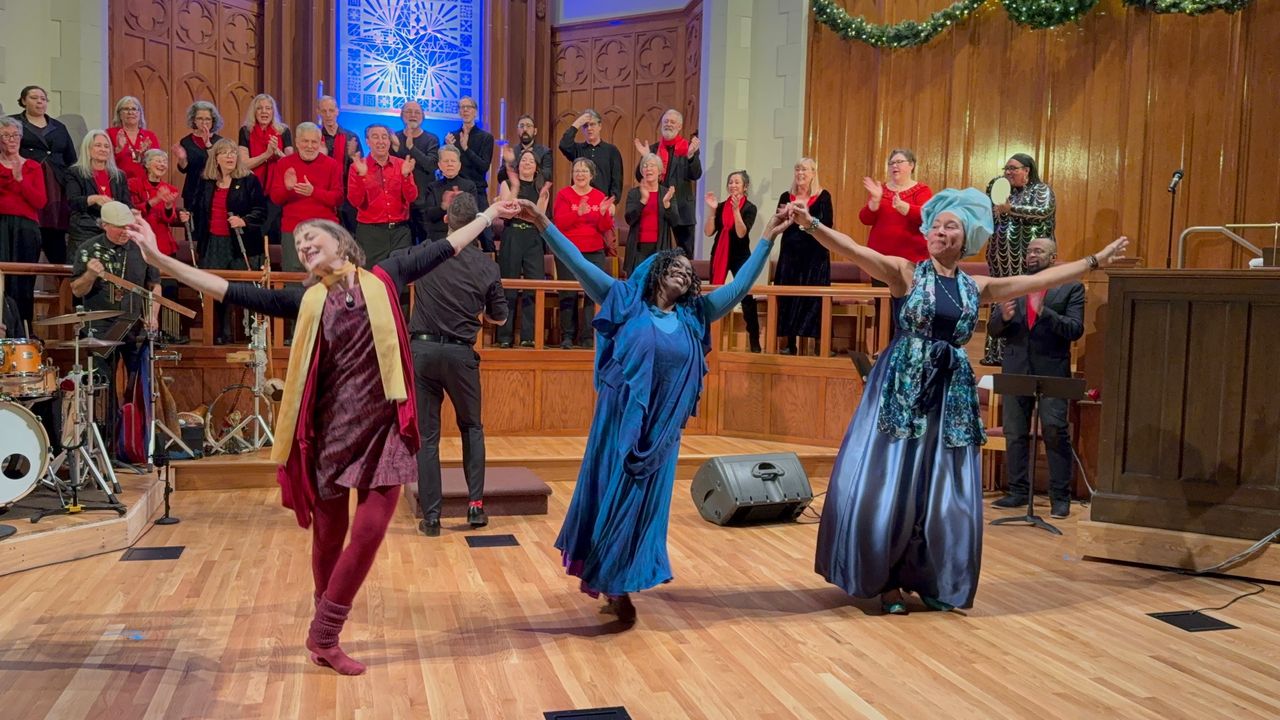
Dancers leading a robed gospel choir in celebration, with a stained glass cross window behind them
Kent Stevenson, composer of The Gospel Magnificat, portrait in front of a stained glass cross window

Kent Stevenson

Composer & Creative Director

The Story

An elder statesman's masterwork, sung for years but never written down in full.

Kent Stevenson wrote The Gospel Magnificat as a deliberate answer to J.S. Bach — a setting of Mary's canticle rooted in Black Catholic worship and gospel-jazz harmony, first brought to life at Seattle's St. Therese Parish with the Shades of Praise choir. It has been performed, loved, and passed along largely by ear ever since.

That oral tradition is a gift and a risk. Without a fully engraved score, the piece exists only where Kent's own memory and a handful of choral parts can reach. This project puts The Gospel Magnificat onto paper for good: transcribed movement by movement, checked against Kent's ear for every jazz harmony and improvisational turn, and reviewed by an editor before it is ever printed.

The result is a work choirs anywhere — parish, university, or community — can rehearse from a clean, professionally typeset score, with piano reduction and chord symbols that serve classical pianists and jazz musicians alike.

"Preserving Black sacred music on paper is not a nostalgic act — it's how a tradition earns a future."

— Reflected in the project's endorsement letters from Pacific Northwest liturgical leaders
Hear the Music

Before there was a score, there was this sound.

My Soul Doth Magnify the Lord — the movement that gives the Magnificat its name — recorded at the December 2025 performances in Seattle. What you hear was sung almost entirely from memory and ear. Putting that sound onto the page, exactly as Kent Stevenson hears it, is the whole of this project.

Play “My Soul Doth Magnify the Lord”

Streaming only — opens the recording in a new tab.

“My soul doth magnify the Lord, and my spirit hath rejoiced.”

Luke 1:46 · The Canticle of Mary

What Your Support Builds

From memory to manuscript — the four stages funding completes.

I

Master Engraving

Dr. Charles Hiestand transcribes every vocal and instrumental part into music software — 100 hours of work turning incomplete and remembered parts into a clean master file, movement by movement, starting with the Gloria Patri.

II

Three-Stage Editorial Review

Every movement passes from engraver to composer to editor, checking notation, voice-leading, and piano-reduction playability before Kent Stevenson's final sign-off on style and feel.

III

Copyright, Cataloging & Archiving

The finished score is registered with the US Copyright Office and cataloged under ASCAP, then bound into hardcover archival copies for the composer and regional collections.

IV

Publication & Worldwide Reach

Master files and an initial choral octavo run go to Shades of Praise for rehearsal, and publication packages are submitted to sacred-music publishers so choirs anywhere can order the score.

Fiscal Leverage

Every $1.00 in grant funding mobilizes $1.60 in local match.

The project's $22,573.50 program budget is carried by a grant request, a modest individual donor match, and a majority of secured in-kind professional labor — already committed before a single grant dollar arrives.

Daniel Rudd Fund (requested)$8,673.50
Individual Donor Match ('Friends of Kent' Drive)$2,200.00
Donated professional labor (secured in-kind)$11,700.00

All grant and donor funds are administered by Allied Arts Foundation, the project's 501(c)(3) fiscal sponsor, and are restricted strictly to score transcription, engraving, proofreading, cataloging, and publication.

Timeline

Four phases, July 2026 to early 2027.

  1. Phase 1 · Jul 15 – Aug 31, 2026

    Fiscal sponsorship finalized; Gloria Patri engraved as the proof-of-concept movement.

  2. Phase 2 · Aug 1 – Sep 8, 2026

    Endorsement letters collected; anchor grant application submitted to the Daniel Rudd Fund.

  3. Phase 3 · Sep 15 – Dec 31, 2026

    Individual 'Friends of Kent' community appeal launches while the remaining eleven movements are engraved in monthly sprints.

  4. Phase 4 · Jan – Feb 2027

    Independent editorial pass, copyright and cataloging, archival binding, and hand-off to publishers.

Endorsements

Voices vouching for the work's significance.

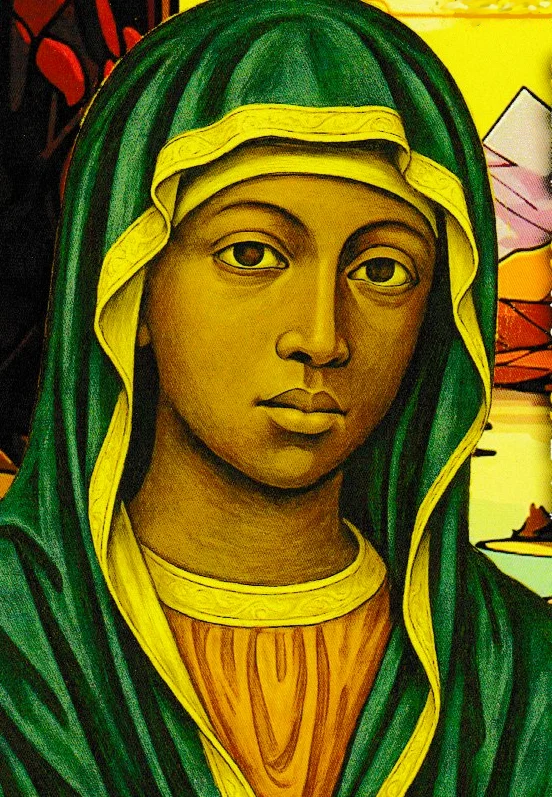
Icon painting of Mary, subject of the Magnificat canticle
“
Traces the piece's origin as a deliberate companion to Bach's own Magnificat, and speaks to the conducting history that makes an engraved score long overdue.

Fred West

Original Commissioning Director, City Cantabile / Seattle Peace Chorus

“
Affirms Kent Stevenson's standing as a Pacific Northwest elder statesman of sacred music, and the urgency of preserving Black sacred repertoire on paper.

Rawn Harbor

Renowned African American Catholic liturgist and musician

“
Points to the work as an exemplar of genuine inculturation and Black Catholic heritage within the Pacific Northwest church.

Make Gallitelli

Archdiocese of Seattle

“
Speaks to decades of parish history and liturgical impact, and a standing commitment to future performances once the score exists.

St. Therese Parish Leadership

Parish Community

Summarized from formal letters of support submitted as part of the project's grant application.

Give to the Score

$2,200 in community gifts matches the grant while under review.

Whether you can give $2 or $2,000, every dollar goes through Allied Arts Foundation, our 501(c)(3) fiscal sponsor, and is restricted to transcribing, engraving, proofreading, and publishing this score.